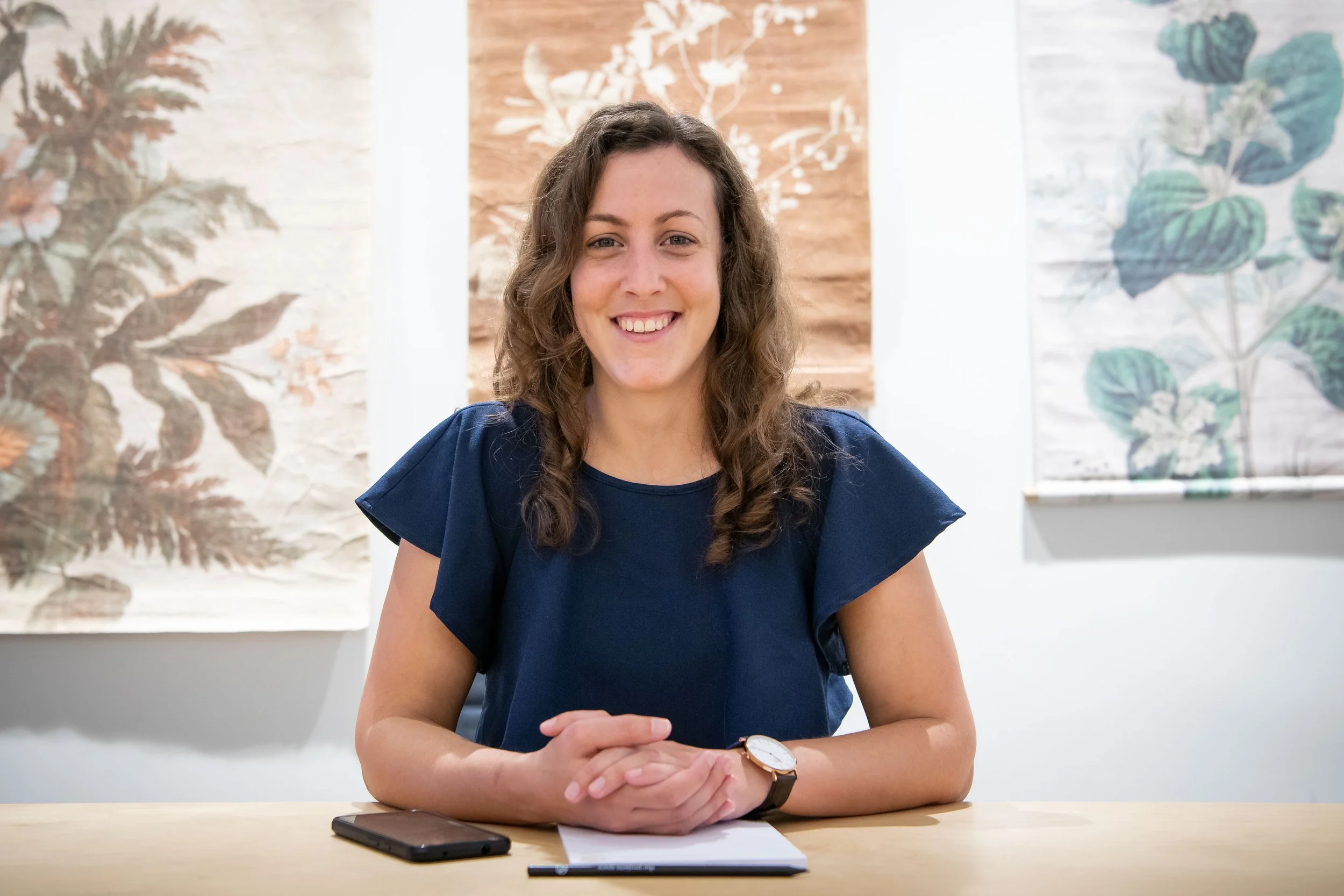
Hi, I’m Sara Osterholzer, a Fractional Growth Partner and the founder of SO&Co.
I work alongside founders on the money, the sales, the team and their own role, so the business can grow without everything landing on them.
I’ve been on both sides of it. I started out as employee number one in early-stage businesses, and later became Chief of Staff for Women Riders World Relay, a volunteer-run motorbike relay across 79 countries. I’ve also co-founded two businesses: The Good Business Club, a community that grew to over a thousand founders across 30 cities, and Second Voice, an impact-led sales agency that grew to a team of ten by year 2.
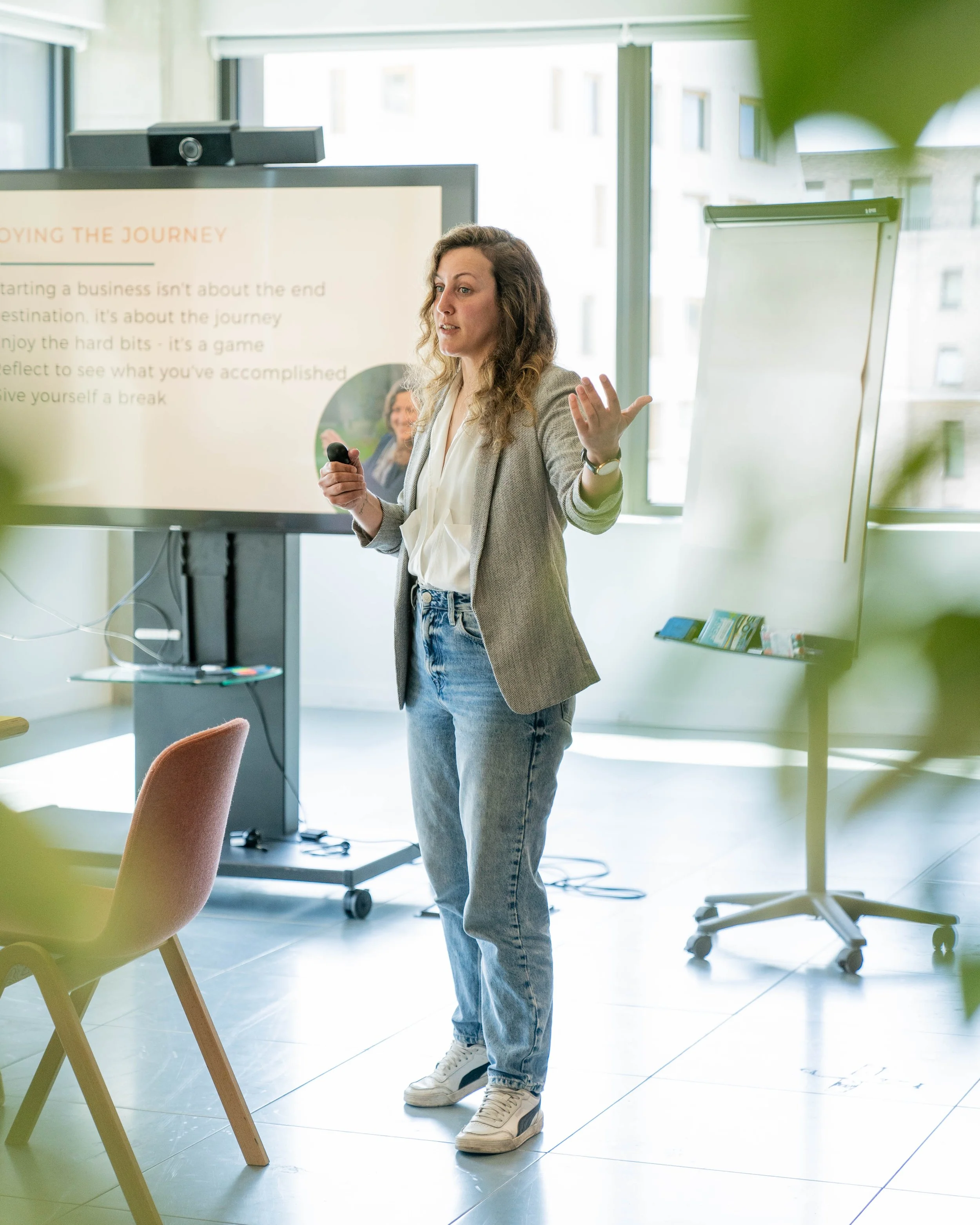
Along the way, I’ve facilitated workshops for Virgin StartUp and the NatWest Accelerator, been Entrepreneur in Residence at the University of Sussex, spoken at entrepreneurship events, and advised hundreds of founders growing their businesses.
That’s the version that fits on a conference programme. The version that explains how I work starts somewhere a lot less tidy.
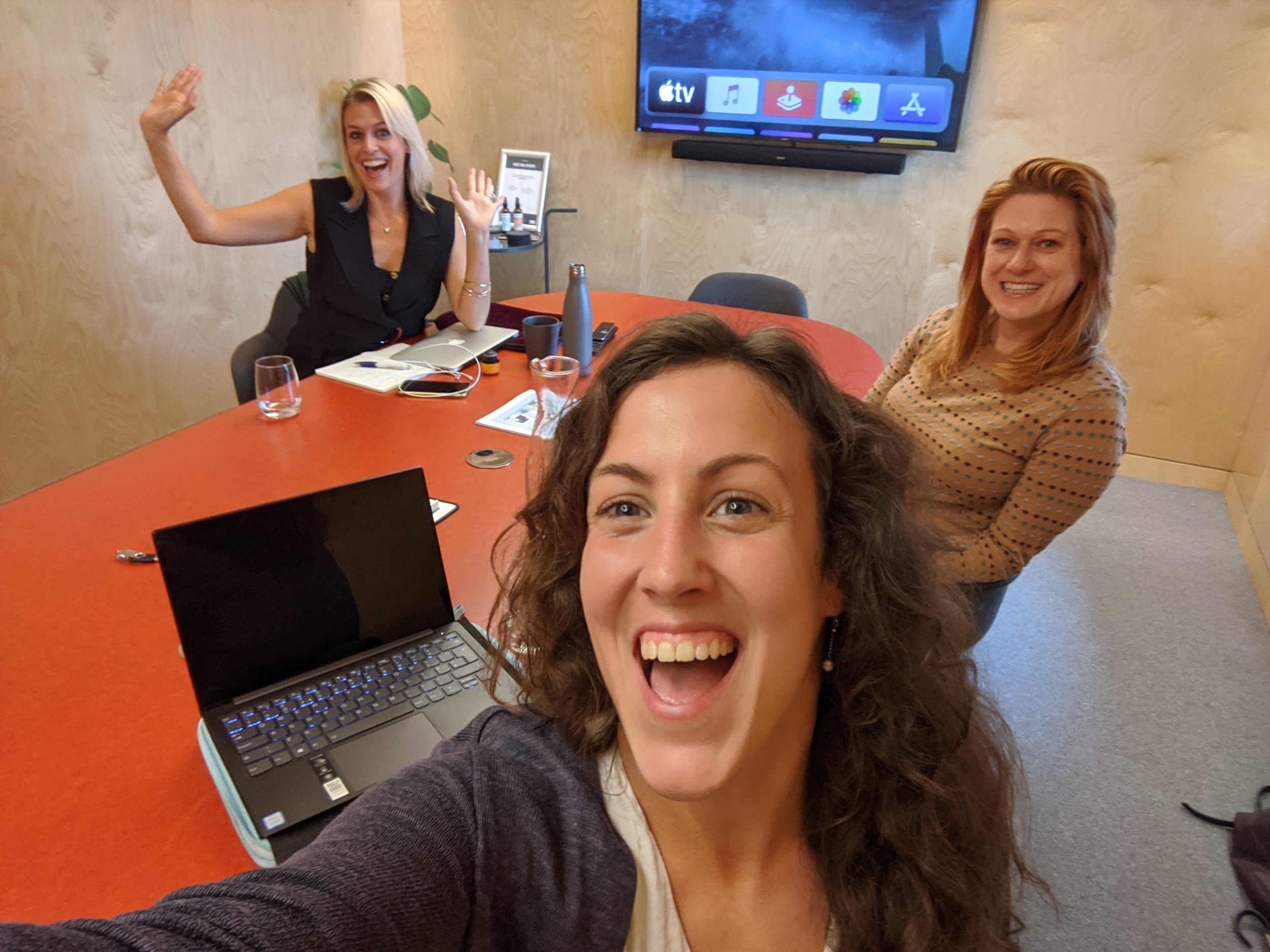
Falling into Entrepreneurship
I was 28 when the company I worked for told us it would stop trading. We had 24 hours’ notice.
I remember looking at my colleague in complete shock, and her saying, “Don’t worry, we’ll do something.” So we did. We gave ourselves six months to pick up the pieces. If something came of it in that time, great. If not, I’d go and get another job.
Those six months turned into five years running my first business, The Good Business Club, a community for founders building businesses that do good. It grew to over a thousand members across 30 cities (hello, building through COVID).
The funny thing is, I’d always planned to start a business one day, but I thought it would be in my forties or fifties. Until then, I was going to learn everything I could as the right hand to founders, which is exactly what I’d been doing.
And then, from one day to the next, I was the founder.
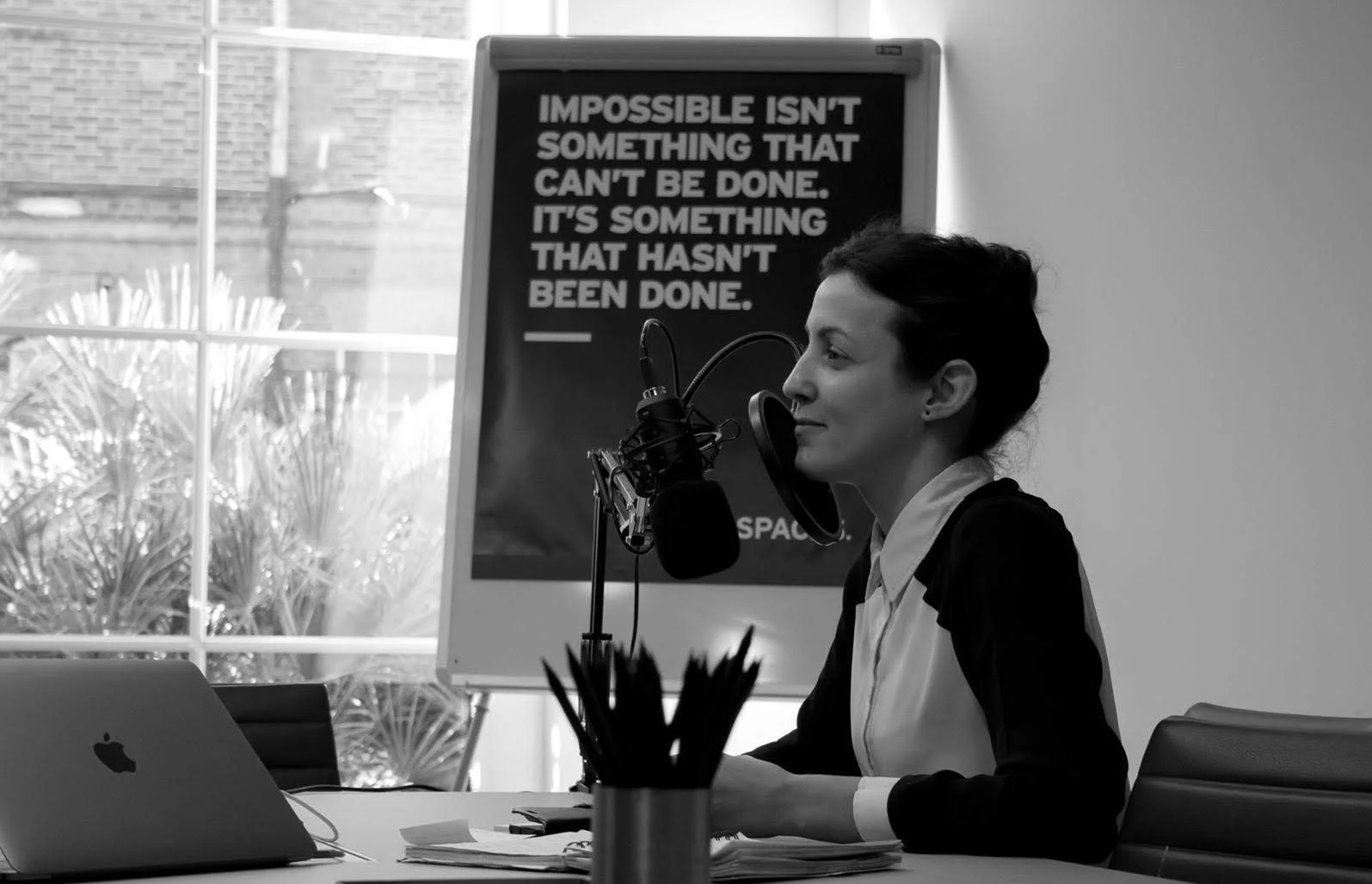
Being the founder wasn’t something I could have prepared for. My strengths showed up in everything I did, and so did everything I didn’t know.
For about eighteen months I was doing both at once, running the club while working as Chief of Staff for the relay. The contrast taught me a lot. As the right hand, I always knew where I fitted. As the founder, there was no one to hand the big calls to.
I came into business through impact, so the commercial side came a distant second. I put the business first and myself last, and if I’m honest, I was a bit of a martyr to the cause.
I muddled through the first few years. From the outside, the business was working, but it got to a point where it had stopped working for me. Something had to give, and it started with admitting to myself where I was out of my depth.
Money, sales and people
There were three things I wasn’t confident in, and I wasn’t about to let anyone close enough to see I was winging it.
The first was money. I’d been telling people I wasn’t a numbers person since school, and it showed. When I finally sat down with an accountant, the first question was how on earth I was living off what I paid myself, and how much longer I could go on like that. I had one spreadsheet with numbers splattered all over it, and a fair bit of embarrassment that I didn’t know more.
The second was sales. I’d never had a sales job, and I’d hold out what felt like a golden key to potential customers, thinking, “this is so something you need”. Not every conversation went anywhere, and it was the most frustrating part of running the business.
The third was people. I’d never built a team, and I had this quiet worry that I was the value people were paying for, not the venture. If I stepped back, would the whole thing fall over?
So I chose to let people in
I could feel myself burning out, and I could see two options. Keep doing everything until I fell out of love with it and closed it anyway, or find another way.
So I did the thing I’d been avoiding, and let people in. I built a small advisory board around the things I wasn’t confident in, read every book I could get my hands on, and started asking people in my network who knew more than I did. It turns out most people are incredibly generous when you’re honest about what you don’t know.
What I didn’t expect was how quickly things started to strengthen. An advisor who’d turned round a charity’s finances sat with me until the numbers made sense. A sales consultant, who’d later become my co-founder, showed me that sales could be curious and generous rather than pushy. And books like Clockwork, Never Split the Difference and Radical Candor changed how I thought about my role and helped me move more powerfully into leadership.
And the more I leaned on other people, the easier it became to let the business lean on them too. I hired five people over my time at the club, across marketing, events and community, and if I’m honest, the first three didn’t work out. It took getting it wrong a few times to understand which roles I needed around me, and once I found the right two, things finally clicked.
And when they did, I got my headspace back, my weekends back, and I started enjoying building again.
Doing it on purpose the second time
When Ben Bennett asked me to help launch Second Voice, a sales agency with people at its core, I got to put everything I’d learned growing the Club into practice from day one.
We were profitable in our first year and a team of ten by our second, working with clients like Makers, Planet Mark and Allianz. We hired in a way that looked past CVs, and the team consistently rated it nine out of ten or more as a place to work.
Being around sales every single day taught me more than any course could. And building something bigger than the club, with a team and clients to match, gave me real confidence that this way of growing a business works.
The Good Business Club later merged with another community, and I stepped away from Second Voice in its fourth year, while it was still growing.
Going fractional
I’ve been the right hand, and I’ve been the founder. I know how it looks from both sides of the table, and I know how heavy the commercial calls feel when they all land on you.
So I chose to bring both into one way of working. Fractional, because most of the founders I meet need someone senior in the business with them, for as long as it’s useful, more than they need another full-time hire.
Founders get asked a lot about what they want for the business. Far fewer get asked what they want for themselves. I ask both, because if the business is working but it’s not working for you, that’s not a win.
Now I sit alongside founders on the numbers, the sales and the team. Sometimes that’s a focused sprint to work out what comes next, sometimes it’s a monthly rhythm for the big calls, and sometimes it’s someone in it with them through the highs and the lows, or rolling my sleeves up alongside them. The aim is always a business that doesn’t need them in everything.